
By TekNation Editorial Team · Updated 2026-09-07
Warehouse and logistics technology combines cloud infrastructure, real-time monitoring, and cybersecurity to keep inventory systems, scanners, and connected devices running across every facility. Managed IT providers like TekNation align these tools with operational goals, replacing reactive fixes with proactive infrastructure planning that protects data and reduces costly downtime during peak shipping periods.
Key Takeaways
- Advanced technology solutions drive visibility and coordination across modern warehouse operations today.
- Supply chain leaders adapt continuously as connectivity transforms traditional logistics processes globally.
- Inventory management systems revolutionize how businesses track goods from warehouse to delivery.
- Strategic planning with technology enables efficient last-mile delivery and customer satisfaction improvements.
Why Does Logistics IT Need Local Support?
Distance creates delay, and delay costs shipments. Warehouse networks and fulfillment systems run on tight schedules. A technician who understands the operation resolves problems faster than a distant call center working from a script. Local support means someone already knows the racking layout, the scanner network, and the software stack before a ticket ever gets filed.
Logistics it depends on round-the-clock visibility. Managed providers monitor operations continuously, catching irregularities before they interrupt shipping or fulfillment schedules. That kind of proactive monitoring exists specifically to stop small glitches from becoming missed truck departures or stalled outbound orders during peak windows.
Why does on-site expertise matter more than remote scripts?
A technician on-site can dig into complex infrastructure, cybersecurity, and cloud issues directly, without routing the problem through multiple escalation tiers. That direct access matters for warehouse tech environments. A misconfigured system can halt picking and packing across an entire floor.
How does local IT support long-term growth?
Quarterly business reviews and forward-looking technology roadmaps keep infrastructure spending tied to actual growth plans, not guesswork. This planning rhythm matters for 3pl technology providers juggling multiple client systems. It aligns upgrades with demand instead of reacting after equipment fails. Regular reviews also surface risks early, well before they turn into unplanned downtime.
What Warehouse Tech Actually Moves the Needle?
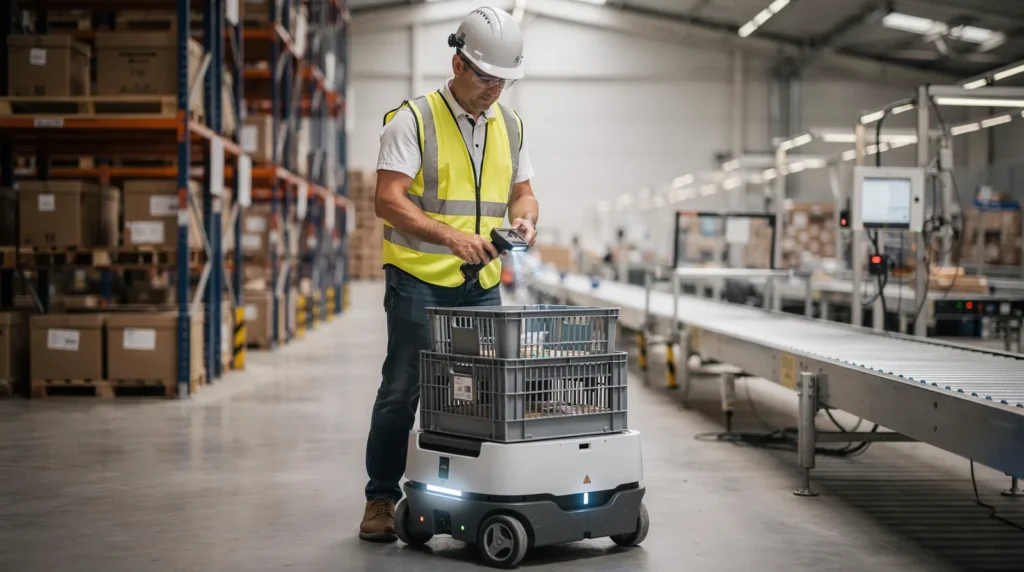
Visibility across systems moves the needle, not another standalone gadget. Warehouse operations succeed when data flows between platforms. Teams coordinate around it, backed by strategic planning rather than scattered fixes. A single scanner upgrade or one new dashboard rarely changes outcomes on its own.
Real gains come from combining tools that work together. Warehouse tech built on automation, artificial intelligence, machine learning, and data analytics increases cost savings and boosts operational efficiency while streamlining daily tasks like receiving, picking, and shipping. These technologies reduce manual errors and free staff for higher-value work.
Does cloud infrastructure count as warehouse tech?
Yes. Reliable logistics IT depends on secure, well-managed cloud platforms behind the scenes. Certified expertise in cloud migration, Office 365, Azure, and identity management supports the everyday platform access that warehouse and logistics teams need to check inventory, log shipments, and communicate across shifts.
Why does connectivity matter for multi-site logistics and 3PL operations?
Multi-site operations run on software to manage data across every location. When a distribution center, a satellite warehouse, and a transportation team all depend on the same systems, reliable connectivity and protected access become mandatory, not optional. For 3PL technology specifically, this coordination determines whether client shipments move on schedule or stall behind disconnected systems.
How Should 3PLs Approach Cybersecurity and Cloud?
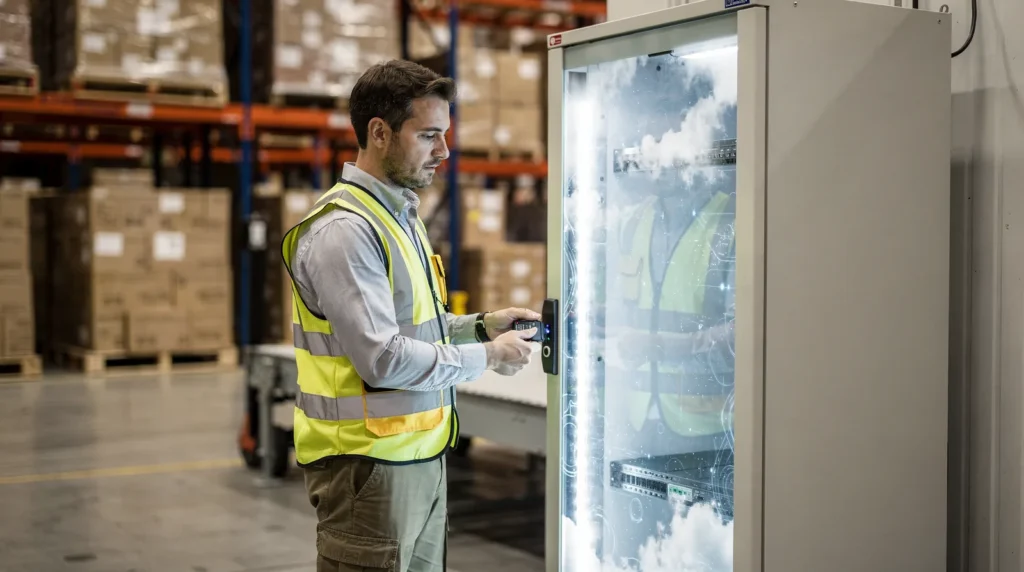
Layered security wins over single-point defenses for third-party logistics providers handling sensitive shipment and customer data. A layered approach combines multiple safeguards that protect data, satisfy compliance standards, and adjust as threats evolve. No single tool covers every risk, so the layers work together to close gaps.
Cloud adoption is already the norm, not the exception, in 3PL technology circles. Many logistics providers already run on cloud-based services, with more planning to migrate in the years ahead. That momentum points toward a future built on remote-hosted data and processes rather than legacy on-premise systems.
Why does cloud infrastructure matter for warehouse operations?
Cloud platforms extend far beyond transportation tracking. Warehouse tech now touches inventory management and warehousing directly, reshaping how goods move from receiving to last-mile delivery. A 3PL relying on outdated, siloed systems risks slower data sharing and weaker visibility across sites.
Who should handle security when something breaks?
Speed matters most during a breach or outage. Real technicians who already understand a provider’s systems resolve issues faster than offshore call centers reading from scripts. That familiarity shortens downtime and keeps logistics it infrastructure resilient under pressure, protecting both operations and client trust.
FAQ
Why does logistics IT need local support?
Local technicians already know the racking layout, scanner network, and software stack. They resolve issues faster than distant call centers working from scripts, preventing costly shipment delays.
What warehouse technology actually improves operations?
Visibility across connected systems drives results, not standalone gadgets. Combining automation, artificial intelligence, machine learning, and data analytics reduces manual errors and boosts efficiency in receiving, picking, and shipping.
Does cloud infrastructure count as warehouse technology?
Yes, reliable logistics IT relies on secure, well-managed cloud platforms. TekNation’s certified expertise in cloud migration, Office 365, Azure, and identity management supports daily inventory checks and shipment logging.
Conclusion
In closing, technology transforms logistics and warehousing from reactive operations into strategic competitive advantages. The right systems reduce downtime, strengthen compliance, and give your team visibility across every process. When your infrastructure is built to scale with your business and supported by experts who understand your industry, growth becomes predictable rather than risky. That’s where proactive IT strategy makes the real difference.
This reflects TekNation’s Brand Mission Statement: we partner with mid-sized businesses to deliver deeply personalized, all-inclusive IT management that aligns technology with real operational goals. Through proactive support, strategic guidance, and a people-first approach, we help organizations turn IT into a powerful tool for growth, not just a system to maintain.