
24/7 IT Monitoring: Proactive Management Guide
By TekNation Editorial Team · Updated 2026-08-05
Remote infrastructure monitoring through Remote Monitoring and Management (RMM) forms the backbone of proactive IT support, giving Server Maintenance & Monitoring for West Georgia Businesses | TekNation into endpoint performance, health, and security around the clock, preventing IT downtime before it starts. TekNation’s local technicians detect issues before they disrupt operations, resolving problems remotely and reducing costly downtime, rather than waiting for a break-fix emergency call.
Key Takeaways
- RMM enables remote detection and resolution of IT issues, improving network performance and security simultaneously.
- In the break-fix vs proactive IT comparison, reactive “break-fix” support drains business resources, productivity, and budgets compared to proactive approaches.
- Proactive monitoring prevents system failures before they occur, maintaining steady operations and avoiding unexpected disruptions.
- TekNation in Douglasville, GA provides 24/7 IT asset monitoring and management support services.
What Risks Does 24/7 IT Monitoring Eliminate?
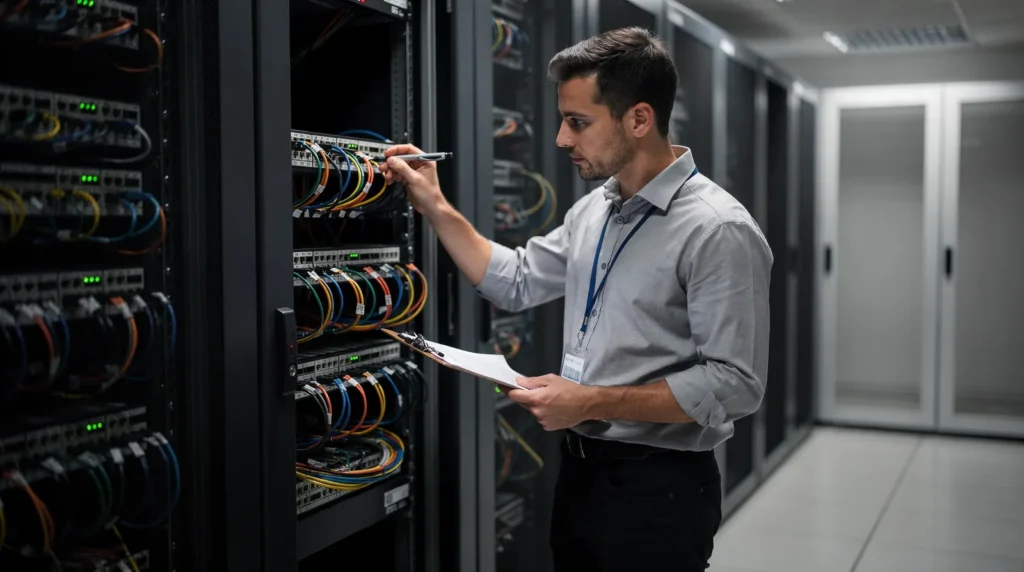
Surprise outages top the list of risks that constant oversight removes. 24/7 IT monitoring catches failing hardware, security gaps, and performance drops before they interrupt daily operations. Systems get flagged and fixed quietly, often before staff notice anything wrong.
Every hour an issue goes undetected adds to that financial exposure, from lost production to missed deadlines and strained client relationships. West Georgia businesses feel this most acutely when unplanned downtime collides with tight production schedules and client commitments. Continuous oversight shrinks that exposure by catching problems while they’re still small and cheap to fix.
Who actually responds when something goes wrong?
A real local technician, not an offshore call center, handles the response. That technician already knows the client’s systems, history, and setup. That familiarity is what makes remote monitoring MSP support different from routine watching — the technician already has the context needed to act fast instead of starting from scratch.
Proactive IT management reduces three specific risk categories:
- Operational risk — outages that halt production lines or client-facing systems
- Financial risk — the cascading costs tied to every hour of downtime
- Response risk — delays and miscommunication from unfamiliar offshore support teams
Together, these safeguards shift IT from a reactive scramble into a steady, monitored asset that supports growth instead of threatening it.
How Does Proactive IT Management Reduce Risk?
Risk drops when problems get caught before they spread. Proactive IT management replaces guesswork with continuous oversight, catching potential issues early and stopping them from escalating into costly outages. Data gathered through ongoing monitoring also helps IT teams anticipate future events instead of reacting to them after the damage is done.
Security plays a central role in this equation. Layered security strategies protect company data, support compliance requirements, and adapt as new threats emerge. A moving target that static defenses can’t keep up with. For manufacturers, logistics firms, and financial services companies Secure Document Management for Law Firms, that adaptability matters as much as the initial protection.
What role does business planning play in reducing IT risk?
Technology decisions carry less risk when they’re tied to actual business goals. Quarterly business reviews give leadership a regular checkpoint to assess what’s working. Forward-looking tech roadmaps keep infrastructure investments aligned with where the company is headed.
Why does early detection matter more than fast repairs?
Fixing a problem quickly still means damage already occurred. Early detection through continuous monitoring prevents that damage in the first place. Together, these practices form the backbone of a remote monitoring MSP relationship — one built on prevention rather than emergency response.
Why Partner With a Remote Monitoring MSP?
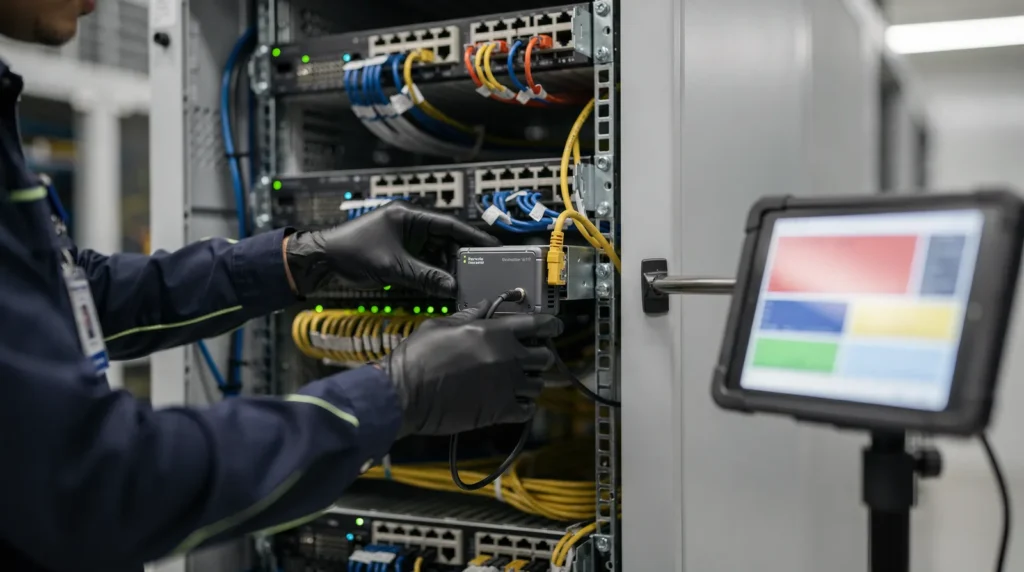
A remote monitoring MSP gives business owners eyes on every endpoint, server, and network connection without waiting for a breakdown to trigger a phone call. Managed service providers built around this model watch systems constantly, catch irregularities early, and fix problems before they spread. West Georgia companies gain a level of oversight that in-house IT teams rarely have the bandwidth to sustain alone.
What does a remote monitoring MSP actually do?
Remote monitoring and management tools let a provider track, manage, and support infrastructure from anywhere in the world. That reach matters for manufacturers running multiple shifts or logistics firms coordinating across sites. TekNation, based in Douglasville, Georgia, pairs that remote capability with a local presence, so support stays close to the businesses it serves.
Who handles the technical work behind the scenes?
Certified specialists manage cloud migration, Microsoft 365, Azure, and identity management as part of the day-to-day support model. These are not generalists guessing at fixes; they hold credentials tied to the exact platforms most operations depend on.
Choosing a partner built on proactive IT management and 24/7 IT monitoring means:
- Continuous visibility into system health, not periodic check-ins
- Faster identification of security gaps before they become breaches
- Cloud and identity expertise applied directly to daily operations
- Local accountability paired with remote technical reach
Downtime left unmonitored compounds quickly, draining productivity long before anyone notices the first warning sign.
Proactive IT management is essential for building operational resilience. When monitoring runs around the clock, issues surface before they disrupt your business, and technology becomes an enabler rather than a liability. For manufacturers, logistics firms, and service businesses where downtime carries real cost, this shift transforms how you compete. The question isn’t whether you can afford proactive management; it’s whether you can afford the alternative.
FAQ
What does 24/7 IT monitoring actually prevent?
24/7 monitoring catches failing hardware, security gaps, and performance drops before they disrupt daily operations, shrinking financial exposure by fixing problems while they’re still small and inexpensive.
Who handles issues when TekNation's monitoring flags a problem?
TekNation’s team works the fix remotely first, pulling from that client’s documented history and configuration instead of starting a fresh diagnosis. If the issue can’t be resolved remotely, the same Douglasville-based team dispatches on-site, so the response stays consistent from the first alert through the final fix rather than being handed off to a different provider partway through.
How is proactive management different from break-fix IT support?
Proactive management uses continuous oversight to catch issues before they escalate. Break-fix support waits for emergency calls, draining business resources, productivity, and budgets in the process.
Facts
- TekNation is located in Douglasville, GA, US.