By TekNation Editorial Team · Updated 2026-09-07
Manufacturing plants in 2026 face cybersecurity gaps, aging equipment, skilled-labor shortages, and pressure to adopt automation and AI safely, according to industry outlook reports including Deloitte Insights. Downtime and compliance failures carry real financial risk. TekNation, a Douglasville, GA-based managed IT provider, serves West Georgia manufacturers with 24/7 monitoring, cybersecurity, and proactive systems management built around production continuity.
Key Takeaways
- Manufacturing PMI dropped to 49.1% in September 2025, signaling economic headwinds for the industry.
- Supply chain disruptions and digital technology integration create workflow delays and project cost overruns.
- Skilled worker shortages persist as manufacturers compete for talent in an increasingly global market.
- Emerging automation and AI implementation demands new technical expertise from manufacturing operations teams.
- TekNation’s mission is to partner with mid-sized businesses on deeply personalized, all-inclusive IT management that aligns technology with real operational goals, backed by proactive support and a people-first approach.
Why Is Manufacturing IT So Hard To Get Right?
Complexity, not carelessness, makes manufacturing technology difficult to manage well. Plant managers juggle supply chain coordination, production scheduling, and digital systems that all have to work together without a single dropped connection. According to Typical Challenges in Manufacturing Projects and Ways to Address Them, manufacturing projects face numerous challenges ranging from supply chain disruptions to risks tied to digital technology integration. Any one of these problems can knock a production run off schedule.
Left unresolved, these issues rarely stay contained. Workflow breakdowns tied to unstable systems cause delays. Drive up costs, turning a minor glitch into a missed shipment deadline. That’s the real cost of treating manufacturing IT as an afterthought rather than a core operational function.
What makes manufacturing IT different from office IT?
Factory environments blend legacy machinery with newer digital tools, creating a mix that ordinary help desks aren’t built to handle. IT for factories means supporting production equipment, inventory software, and network infrastructure simultaneously, often under tight uptime pressure.
Why do old and new challenges collide in manufacturing?
Manufacturers now face both emerging demands, like automation and artificial intelligence adoption, and long-standing struggles such as workforce shortages and inventory management. Solving one without addressing the other leaves gaps. Effective production IT support has to bridge both categories at once, keeping the plant floor competitive in a global market that rewards efficiency and punishes downtime.
What Risks Are Reshaping Production IT Right Now?
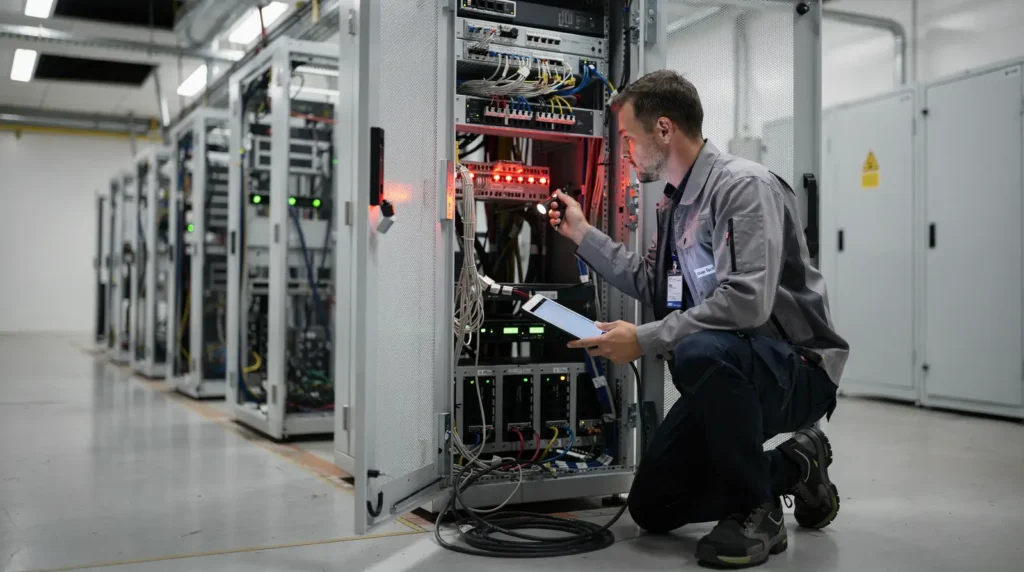
Three forces converge on plant floors today: fragile supply chains, fast-moving technology, and zero tolerance for downtime. Global supply chains have shown real exposure to shocks and disruptions. Every connected system on a plant floor now carries higher stakes than it did a decade ago. A sensor outage or network failure no longer stays contained; it ripples through scheduling, procurement, and shipping within hours.
New technologies and process innovations are reshaping manufacturing worldwide, and plants that delay modernization fall behind faster than before. Legacy systems built for isolated production lines struggle to keep pace with connected equipment, cloud-based inventory tools, and real-time reporting demands. Solid manufacturing IT closes that gap by keeping systems current without disrupting daily output.
Why does IT downtime matter more in manufacturing than other industries?
Manufacturing supplies products essential to health, safety, and the continuity of countless downstream industries. When production stalls, the damage rarely stays internal. It reaches customers, partners, and supply chains that depend on steady output. That reality raises the cost of every unplanned outage.
Why do so many plants struggle to keep up with Industry 4.0?
Plant managers rarely have time to sort through the flood of information surrounding Industry 4.0 technologies. Guidance exists, but filtering it while running daily operations is a genuine challenge. Reliable IT for factories turns that overwhelming research burden into a clear, prioritized roadmap. production IT decisions get made with confidence instead of guesswork.
How Can Manufacturers Close These IT Gaps?
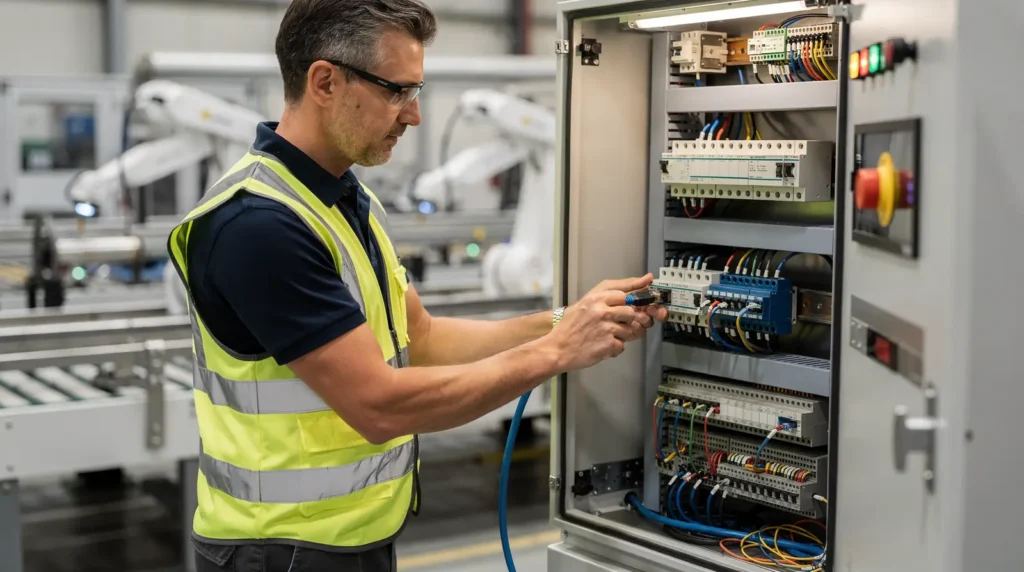
Closing these gaps starts with an honest assessment, not a sales pitch. A plant manager needs to know exactly where the network, backups, and security controls stand before committing to a fix. TekNation begins every relationship with a free IT review, then builds a custom plan around what the facility actually needs.
Strategy matters more than tools. Manufacturers that address these challenges directly tend to see measurable results: improved efficiency, stronger profitability, and steadier long-term growth. That outcome depends on treating technology as part of the production plan, not a side expense handled after a breakdown.
What should a manufacturing IT plan actually include?
A solid manufacturing IT plan covers more than antivirus software and a help desk number. TekNation’s approach spans managed IT, 24/7 monitoring, Microsoft 365 and Azure cloud tools, and cybersecurity and compliance support built for plant floors. That combination keeps production systems watched around the clock instead of checked only after something fails.
Who handles the fix when a system goes down?
Downtime on a production line does not wait for a call center script. When equipment or software breaks, a local technician who already knows the client’s setup responds directly, cutting out the delay of offshore support.
TekNation operates from Douglasville, GA and travels across West Georgia to serve manufacturers on-site. That local reach supports IT for factories. production IT needs without forcing plant staff to manage vendors remotely or guess at unfamiliar systems.
FAQ
What are the biggest IT challenges manufacturers face?
Manufacturers deal with cybersecurity gaps, aging equipment, skilled-labor shortages, and pressure to adopt automation and AI safely. Supply chain disruptions and digital technology integration also create workflow delays and cost overruns.
How is manufacturing IT different from office IT?
Manufacturing IT supports production equipment, inventory software, and network infrastructure simultaneously, blending legacy machinery with newer digital tools under tight uptime pressure. Ordinary help desks aren’t built to handle this mix.
How does TekNation help West Georgia manufacturers?
TekNation, based in Douglasville, GA, delivers 24/7 monitoring, cybersecurity, and proactive systems management built around production continuity. This approach helps manufacturers avoid downtime and compliance failures that carry real financial risk.
Conclusion
In closing, manufacturing operations thrive when IT infrastructure supports rather than hinders production. The challenges you face—downtime, compliance, security, and legacy system integration—demand a partner who understands your industry’s unique pressures and builds solutions around your business goals. Proactive management, local expertise, and a commitment to your growth transform technology from a cost center into a competitive advantage.