
Network performance monitoring tracks metrics like latency and bandwidth utilization around the clock, catching problems before they cause outages. Using tools such as SNMP and NetFlow, technicians rely on proactive network monitoring and bandwidth bottleneck identification to spot issues early and resolve them fast. For manufacturing, legal, logistics, and finance operations, continuous monitoring protects revenue, uptime, and compliance from costly, unplanned network disruption, a core piece of sound SMB IT infrastructure management.
Key Takeaways
- Network monitoring delivers continuous visibility into performance metrics across on-premises and cloud environments.
- Performance issues cause business disruption, revenue loss, and reputational damage without proactive monitoring.
- NPM tracks key indicators like latency and bandwidth utilization to prevent user impact.
- Enterprise organizations require network monitoring tools to maintain healthy, complex network ecosystems.
What Does Network Performance Monitoring Actually Catch?
Slow file transfers, dropped VoIP calls, and stalled cloud applications rarely announce themselves before they hurt productivity. Network monitoring performance tools catch these problems by tracking key indicators like latency. Bandwidth utilization, flagging trouble before it reaches end users or applications. That distinction matters for a logistics dispatcher tracking shipments in real time or a law firm pulling case files from the cloud mid-deposition.
For companies where downtime translates directly into lost revenue, catching issues early isn’t a luxury. TekNation’s monitoring approach centers on identifying and resolving problems before they touch daily operations, eliminating the surprise outage that halts a production line or locks up a billing system. Manufacturing floors, construction sites, and financial back offices all depend on that early-warning layer.
Why does bandwidth monitoring matter for multi-site businesses?
Construction firms and logistics companies increasingly run software across multiple job sites and warehouses. Reliable connectivity and protected systems stop being optional once daily operations depend on that software. Bandwidth monitoring msp services that monitor bandwidth usage across every location prevent one congested site from dragging down performance company-wide.
What role does cloud expertise play in catching bandwidth issues?
Many performance complaints trace back to cloud services rather than the local network itself. TekNation’s certified specialists in cloud migration, Microsoft 365, and Azure diagnose these bandwidth bottlenecks with the same depth applied to on-premises infrastructure, closing a gap many generalist providers miss.
Why Does Latency Troubleshooting Need MPLS and SNMP Data?
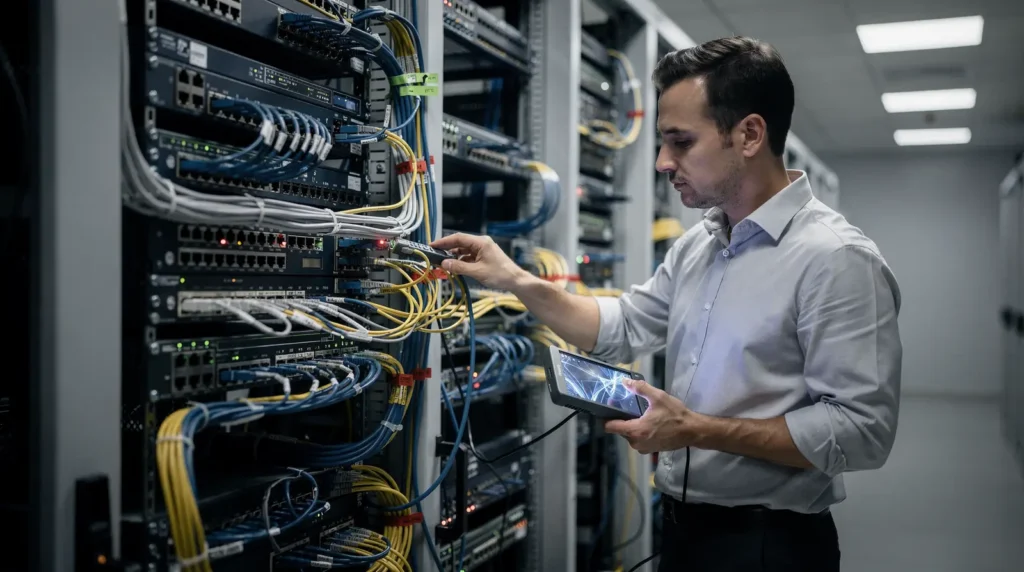
Latency problems hide inside the gap between what a network should do and what it actually does. Closing that gap requires hard data, not guesswork. Network latency troubleshooting depends on protocols such as SNMP. NetFlow, paired with log analysis, to speed up diagnosis and shorten incident response. Without that telemetry, a slowdown on one job site or branch office turns into hours of blind troubleshooting instead of minutes.
MPLS monitoring SNMP data matters most for companies running distributed circuits across multiple locations. Construction firms and field teams, for example, rely on infrastructure spread across several job sites, and generic providers often miss the gaps between them. A dedicated network health monitoring approach tracks each circuit individually rather than treating the network as one apartment system.
What data does effective latency troubleshooting actually require?
Modern troubleshooting means correlating telemetry, metrics, logs, traces, and flow data together. That combination delivers real-time visibility across hybrid, multi-site environments instead of a partial snapshot from a single tool.
Who actually fixes the latency issue once it's found?
Once the data points to a cause, a local technician who already knows the client’s setup handles the fix directly. There’s no offshore call center, no script-reading, no starting from zero.
How Do MSPs Turn Bandwidth Data Into Compliance Proof?
Managed service providers convert raw traffic and uptime logs into audit-ready evidence. Continuous network health monitoring creates a data trail that proves systems met agreed performance. Security standards over time, not just on the day an auditor asks.
That trail starts with layered security strategies built directly around monitoring data. These strategies protect sensitive information, satisfy compliance standards, and adjust as new threats emerge — turning bandwidth logs into a living defense record rather than a static report.
Raw numbers alone don’t satisfy an auditor. Quarterly business reviews and forward-looking tech roadmaps translate months of monitoring data into a coherent plan showing how IT decisions support business goals and regulatory obligations alike.
Why does compliance proof matter more for regulated industries?
Financial advisories and registered investment advisors sit at a demanding intersection of client trust, regulatory compliance, and platform uptime. For these firms, monitoring data isn’t optional documentation — it’s the record that demonstrates fiduciary and regulatory duties were met.
What does ongoing monitoring actually prove during an audit?
Sustained performance tracking supplies the data record needed to demonstrate compliance with service level agreements. Auditors want:
- Uptime history tied to contracted SLA thresholds
- Documented incident response timelines
- Evidence that security controls stayed active and current
Without that record, compliance claims are just assertions.
FAQ
What metrics does network performance monitoring track?
Network performance monitoring tracks latency and bandwidth utilization around the clock using tools like SNMP. NetFlow, catching bottlenecks before they cause outages or disrupt operations.
Why do multi-site businesses need bandwidth monitoring?
Construction firms and logistics companies run software across multiple job sites and warehouses, so monitoring bandwidth at each location prevents one congested site from dragging down performance company-wide.
What data speeds up latency troubleshooting?
SNMP and NetFlow protocols, paired with log analysis, provide the telemetry needed to diagnose latency issues quickly, turning what would be hours of blind troubleshooting into minutes.
Conclusion
In closing, network performance monitoring and troubleshooting form the backbone of reliable operations for businesses where downtime carries real cost. Proactive visibility into your network prevents problems before they disrupt your team. Swift troubleshooting minimizes impact when issues do arise. The right monitoring strategy transforms reactive firefighting into strategic planning, keeping your infrastructure aligned with business growth and protecting the investments you’ve made in technology.
This reflects TekNation’s Brand Mission Statement: we partner with mid-sized businesses to deliver deeply personalized, all-inclusive IT management that aligns technology with real operational goals. Through proactive support, strategic guidance, and a people-first approach, we help organizations turn IT into a powerful tool for growth, not just a system to maintain.